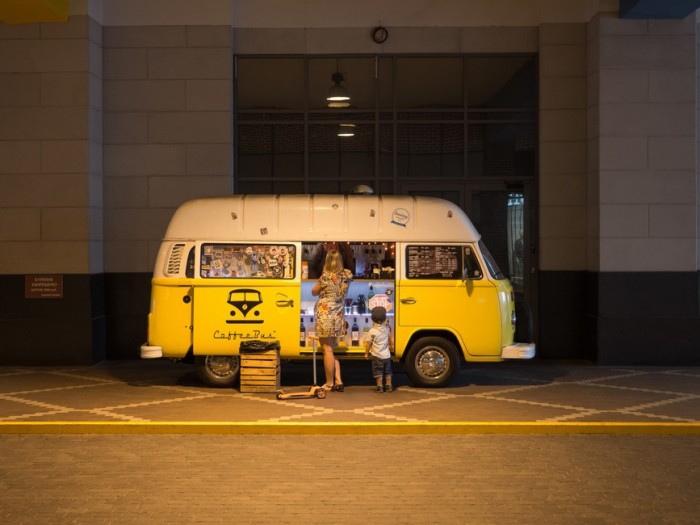
Food trucks have been around for decades, bringing quick, hot food to work sites and downtown areas. Is starting a food truck difficult? In the last decade, the number of these mobile kitchens has boomed. When once they were only patronized by working men in construction areas or kids at little league games, today the mobile food boom feeds thousands of hungry customers around the country every day. Until recently, most only offered hot sandwiches, hamburgers and fried foods. Today, the food types are endless, offering affordable food wherever people congregate. What is causing this food boom? Where is it heading? Why is it so attractive to people? Is this the future of our increasingly impatient, mobile society?
Food Truck Style
Today there are diverse offerings from food trucks, but it wasn’t always so. In New York and other large cities, hot dog vendors and other mobile food operations have been common for a hundred years, and grill food trucks since the 1940s. In Los Angeles, the Taco Truck has been a common feature since the 1960s. The taco truck model has been duplicated around the country since that time. Franchise ice cream trucks like Good Humor and Mr. Softee have been national icons since the mid 20th Century. Now, we have options ranging from southern bar-b-cue to gourmet sandwiches, Vietnamese, Chinese, Indian, and other specialty ethnic menus, and modern experimental/fusion cuisine, to name just a few of the myriad choices out there. This is truly the Golden Age of Food Trucks.
Business as Unusual
The modern food truck phenomenon is generally traced back to the first gourmet food truck in Los Angeles in 2008. They proved the concept, inspiring hundreds of entrepreneurs to follow their dreams and start their own ventures. The Kogi BBQ truck showed that a vehicle-based kitchen could produce high end meals consistently at a high quality. With the economic downturn of the late 2000s, restaurateurs saw a business model that offered lower costs to enter the market. After labor costs, a brick and mortar storefront location is next large expense for most businesses. Rent for many stores and restaurants is based on a ‘dollars per square foot’ rate, making space a premium tied directly to sales and profits. Some chain restaurants pay more monthly in their rent payments than a vehicle loan would cost in a year! Food trucks and trailers were a niche that was ripe for exploitation.
Specialization
The lower business costs led to a proliferation of food styles and menu options. Many see room for more growth in the food truck industry here. Under-served markets like vegan, vegetarian and glucose/lactose-free eaters can expect to see their dietary needs catered to. Regional food styles could expand, and healthier options like GMO free and organic food are being demanded by some consumers. Many food trucks are seeking out partnerships with beverage companies (including breweries and wineries) and local farms to create synergy and improve their products.
Flexibility
Food trucks’ mobility and diversity make them versatile as well. They offer scale-able food service for concerts and conventions, car shows, festivals, parks, work parties and even weddings. A large event can arrange for ten or twenty trucks to operate, and smaller events can invite as many as they feel there will be demand for. This increases flexibility and decreases the additional cost that comes with hiring a professional caterer.
Social Media Equals Free Advertising
Another fascinating component of the food truck boom is how it has been partially fed by the advent of social media. As small start-ups, food trucks have almost no advertising budget. However, unlike at any other time in human history, average people are the media consumers AND creators. A business’s reputation has always spread by word of mouth, but now those mouths are connected electronically! Facebook accounts and Twitter pages have allowed food truck fans to follow their favorites online. Consumers can get constant updates about truck schedules and event locations. The trucks enjoy loyal followers who promote their business by posting photos of their food and praise for their work. You can’t buy that kind of advertising, and they don’t even have to!
The food truck boom is showing no signs of subsiding. People today are increasingly on-the-go. They have tired of fast food drive-thru windows and the plastic nutrition they offer. They crave affordable, healthy, exciting menu options, and they won’t even take the time to drive to it! Food trucks are bringing great food options to hungry stomachs wherever they can find them. The business opportunities include low start-up costs, a smaller workforce, varying work surroundings, and the flexibility and freedom that the open road has always offered. What is next in food trucks? Mobile brick-oven calzones? Pasta trucks? Buffet Trailers? We cannot predict what food trends will become big in the future, but we can be sure that taste, cost, convenience and quality will continue to be valued by consumers.